












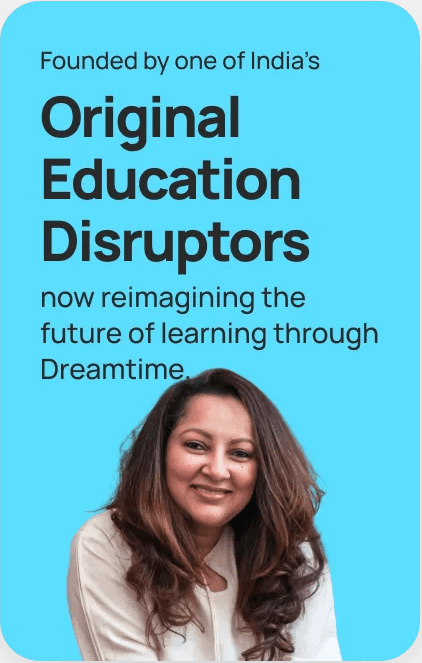







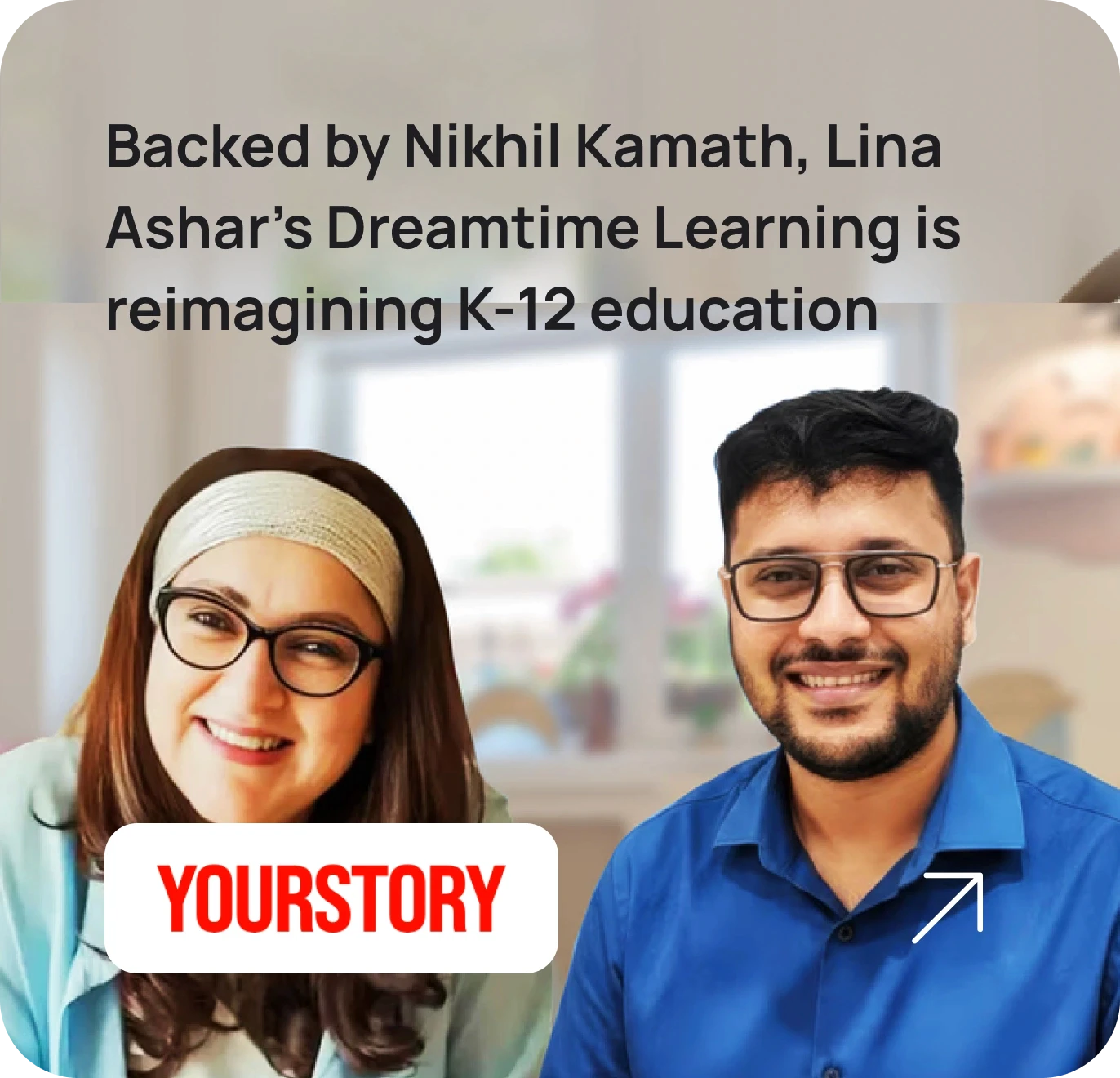

Dreamtime Learning was shaped not only by decades of educational experience, but by direct conversations with more than 100 global thought leaders across neuroscience, behavioural science, human potential, and the future of learning. These interviews with Lina Ashar became part of the foundation of the Dreamtime blueprint.
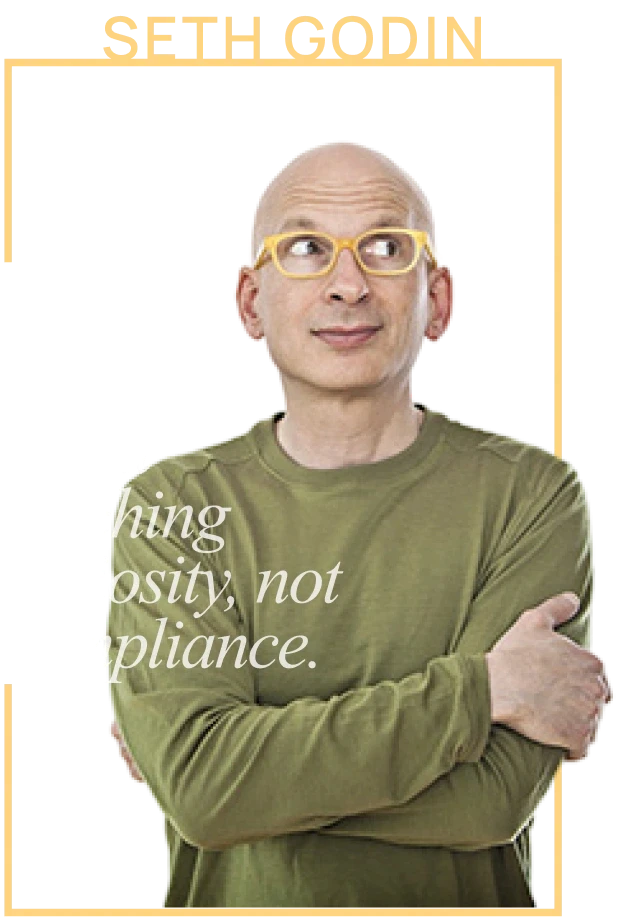

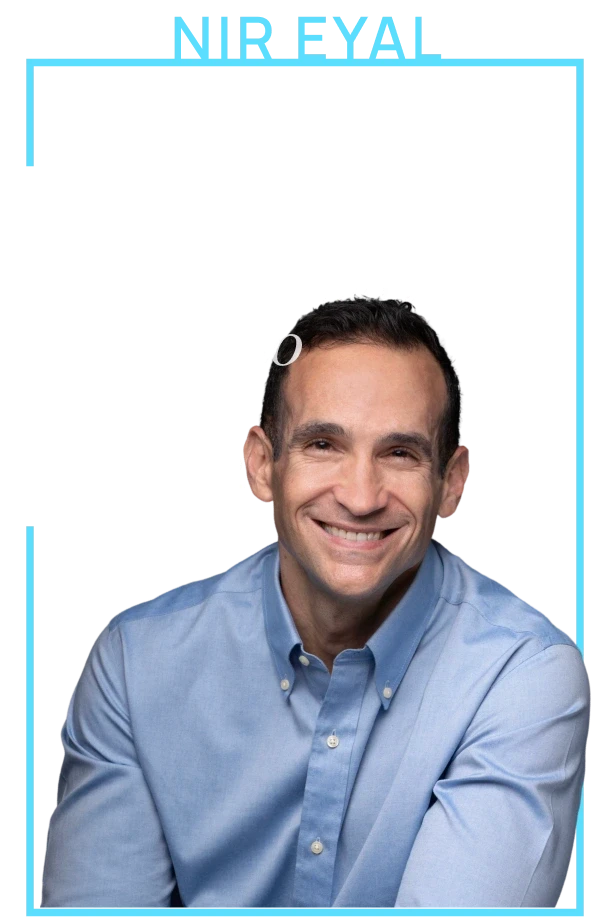
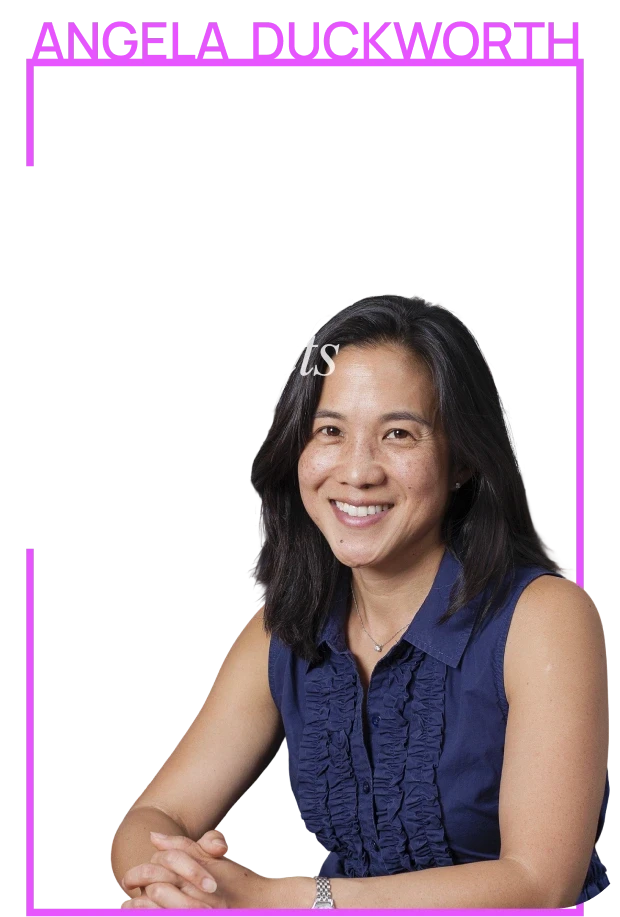

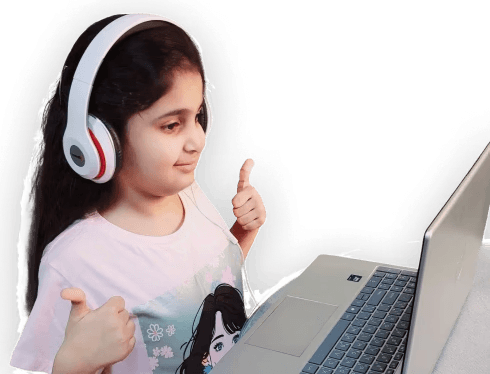
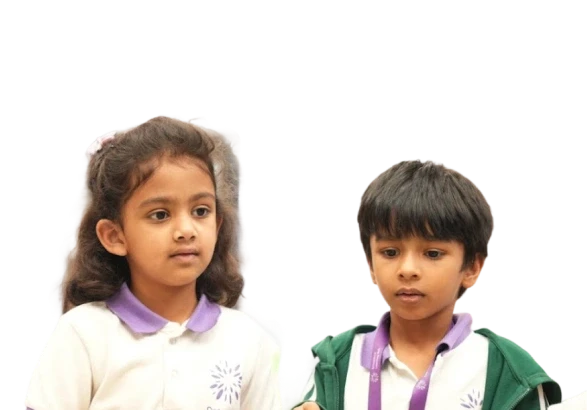
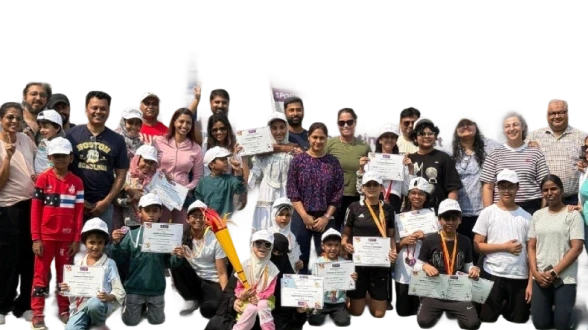
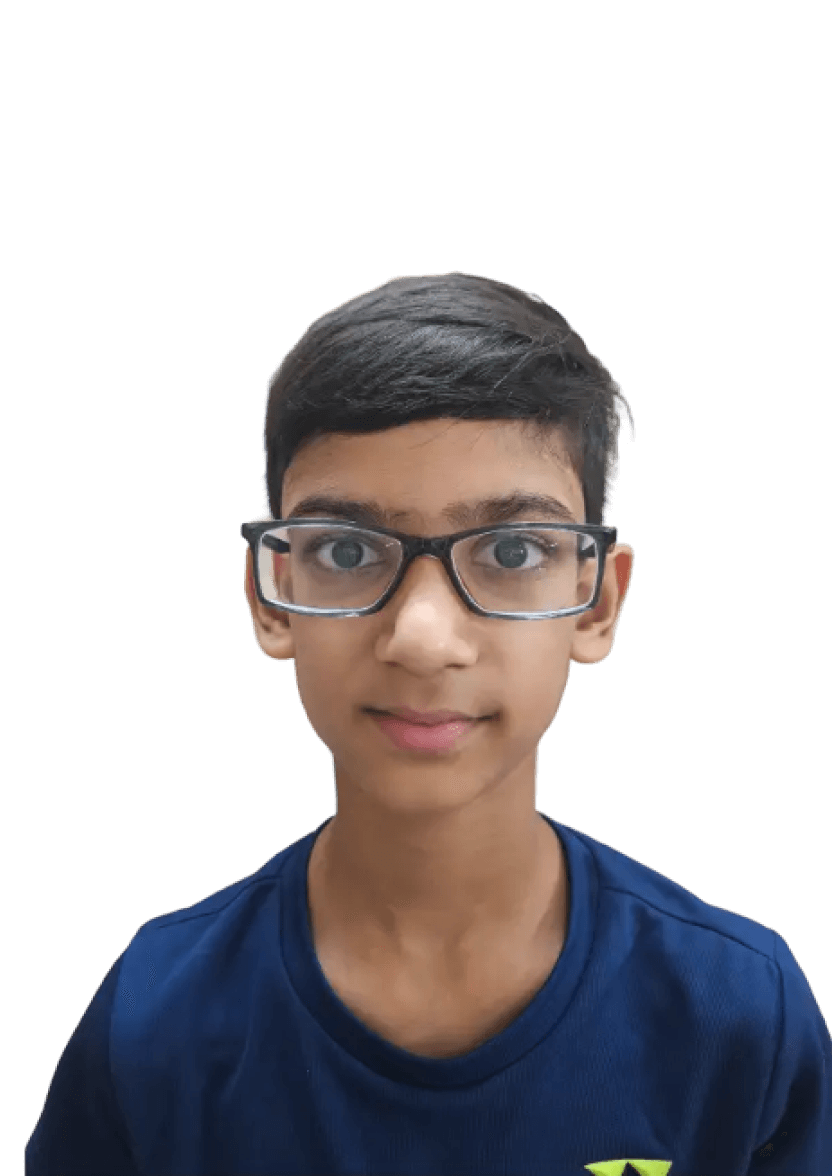
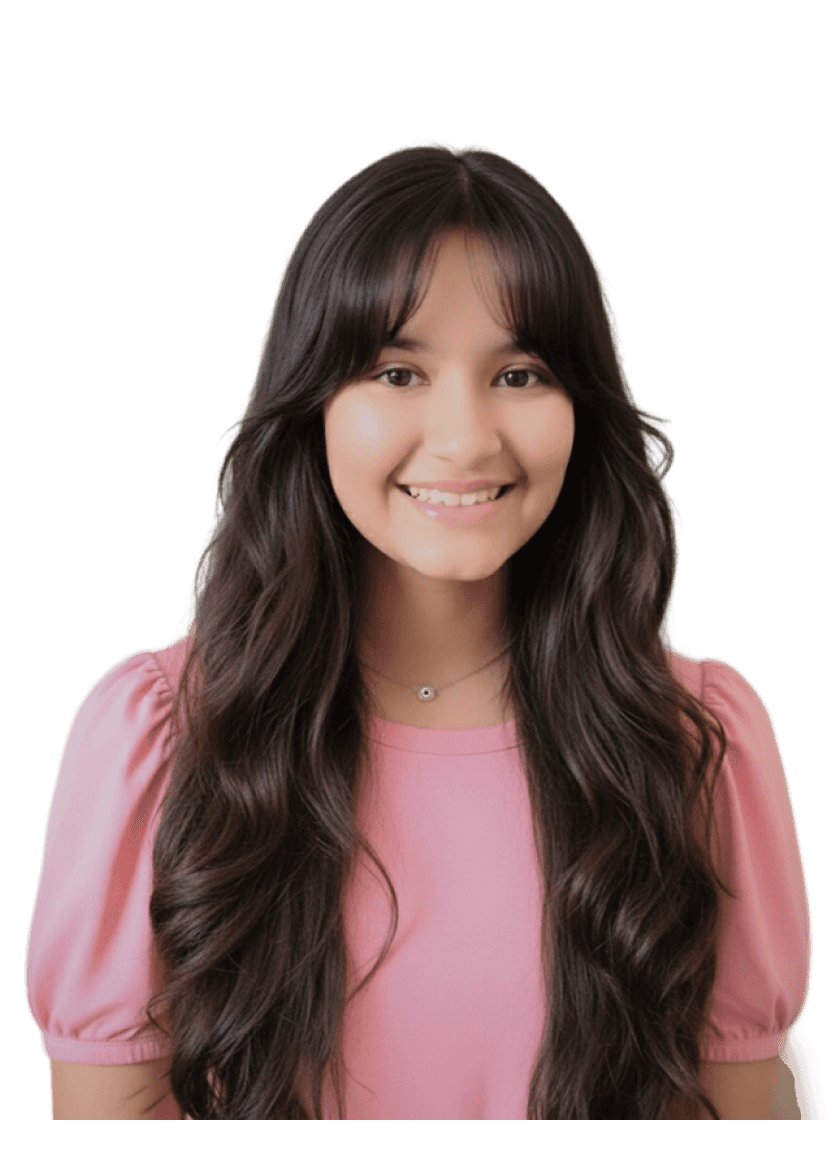
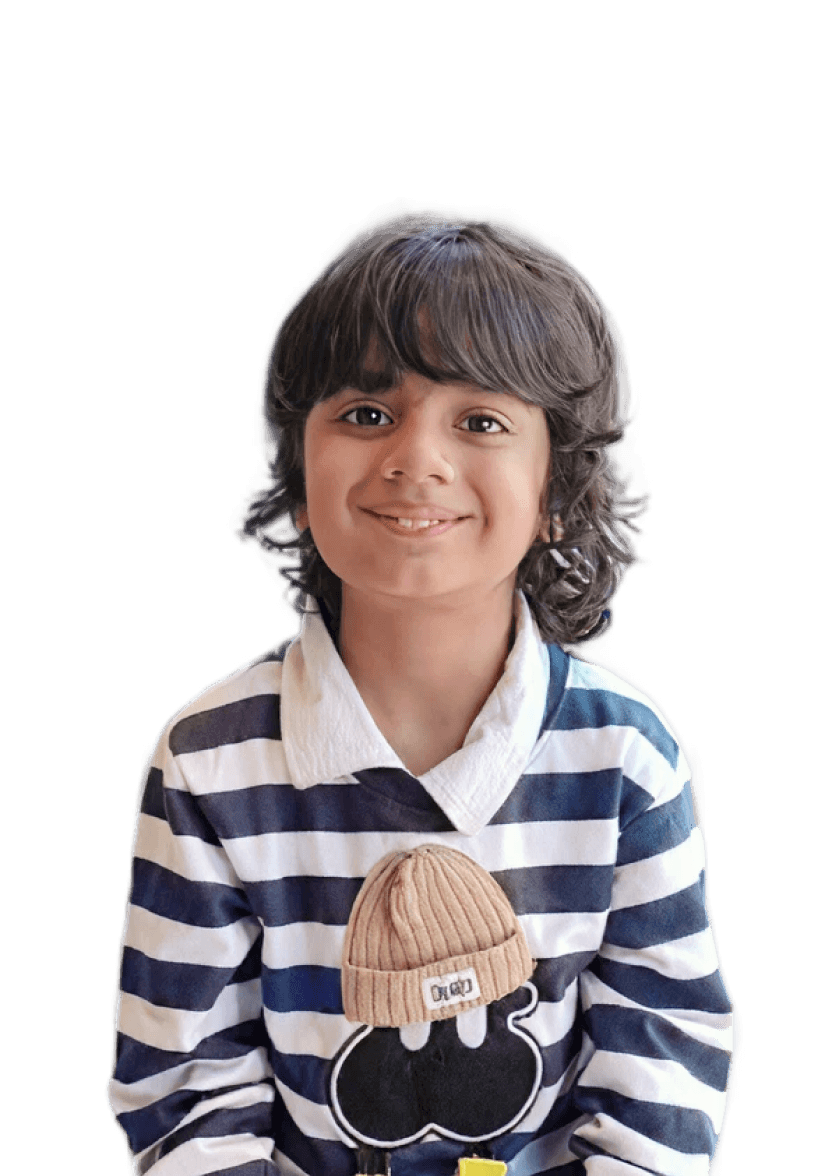
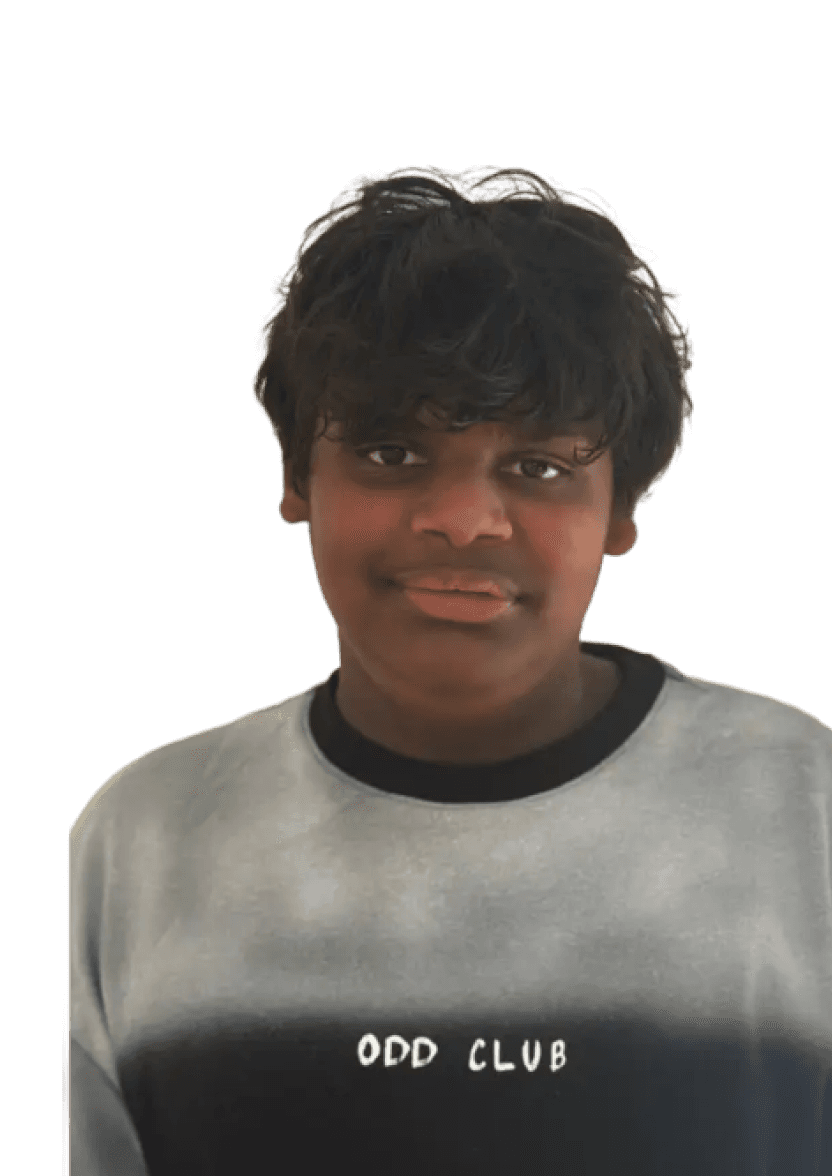
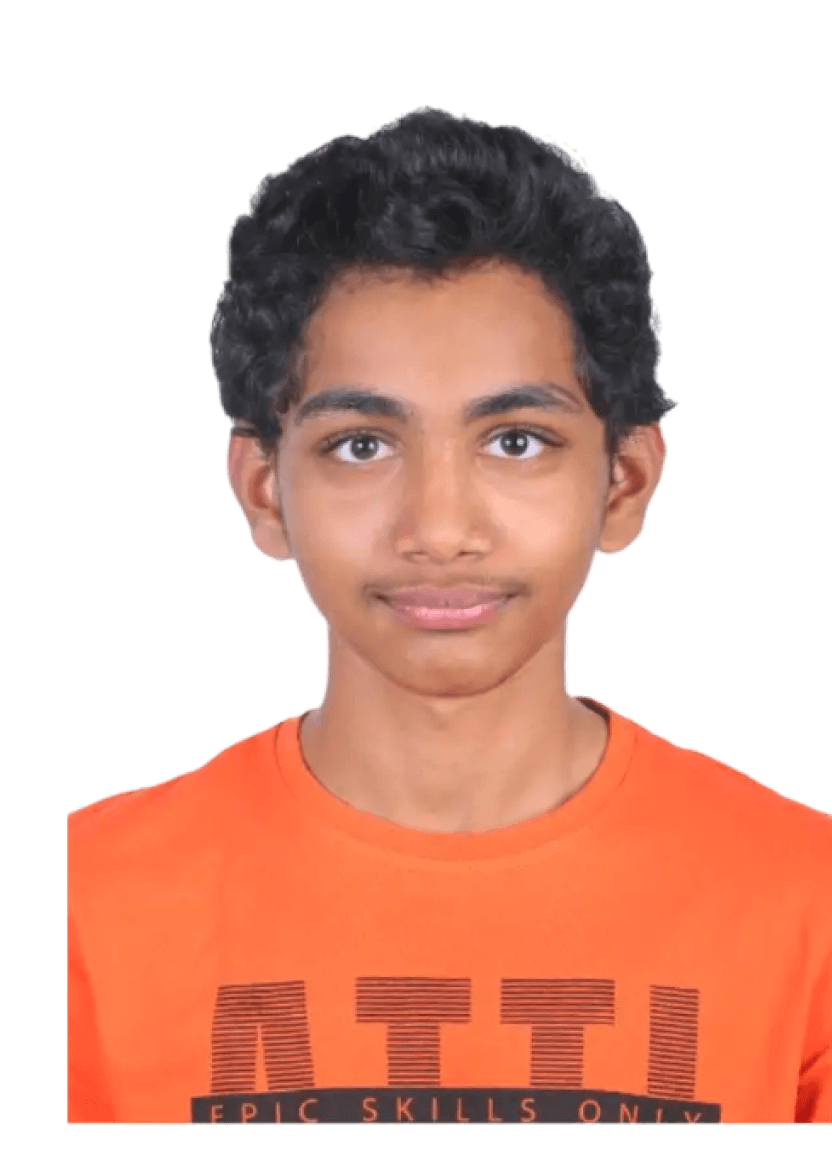
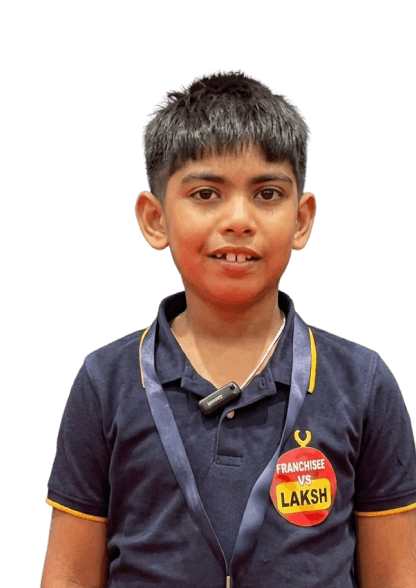
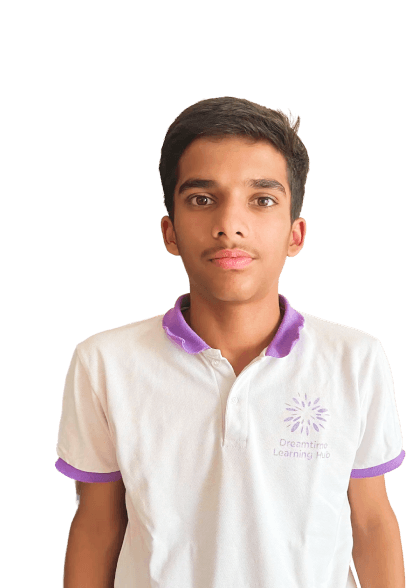
Dreamtime attracts young people who are already shaping the future in their own unique ways. Here are a few examples.





Why does education need to change in the age of AI?
Artificial intelligence is transforming how information is created, accessed, and used. Memorising content is no longer enough. Learners must develop uniquely human capabilities such as curiosity, attention mastery, emotional intelligence, creativity, and ethical thinking. Dreamtime Learning was designed for this new reality, helping learners develop the human skills that technology cannot replace. Traditional schools were designed for an industrial age that valued standardisation and compliance. Dreamtime Learning is designed for a creative and AI-driven world.
2. What is Higher Consciousness Learning?
Higher Consciousness Learning focuses on developing awareness of how we think, feel, and act. At Dreamtime Learning, learners are guided to build self-mastery, empathy, critical thinking, and purposeful decision-making. The goal is not just academic success but developing human beings who contribute positively to the world.
3. Who is Dreamtime Learning designed for?
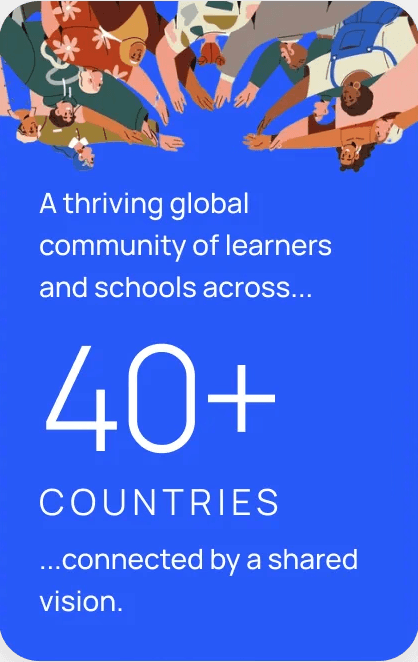
Dreamtime Learning attracts learners who are curious, independent, and eager to pursue their passions. Our community includes young athletes, performers, creators, scientists, and entrepreneurs from more than 40 countries who seek a learning environment that supports both excellence and individuality.
4. Will my child still achieve strong academic outcomes?
Yes. Dreamtime learners follow internationally recognised academic pathways while developing deeper thinking skills, creativity, and independence. Because our model focuses on engagement and mastery rather than rote memorisation, many learners achieve strong academic results while also building the human skills needed for the future.
5. Can online learning truly be effective?
When designed well, online learning can be highly effective. Dreamtime Learning’s online school combines live interaction, collaborative learning, and neuroscience-based teaching methods that keep learners actively engaged. The result is deeper learning, greater independence, and meaningful relationships between learners and educators.
6. Why do Dreamtime learners often complete their work in less time?
Traditional schooling spends significant time on passive instruction and repetition. Dreamtime Learning focuses on active learning, curiosity-driven exploration, and interdisciplinary connections. When learners are deeply engaged, understanding happens faster and more meaningfully, allowing them to achieve strong outcomes in less time.
7. Is Dreamtime Learning suitable for high-performing learners with passions outside school?
Yes. Many Dreamtime learners are athletes, performers, creators, and young innovators who require a more flexible learning environment. Our model allows them to pursue their passions while maintaining strong academic progress and developing essential life skills.


